
WEST WITTERING BEACH WEBCAM
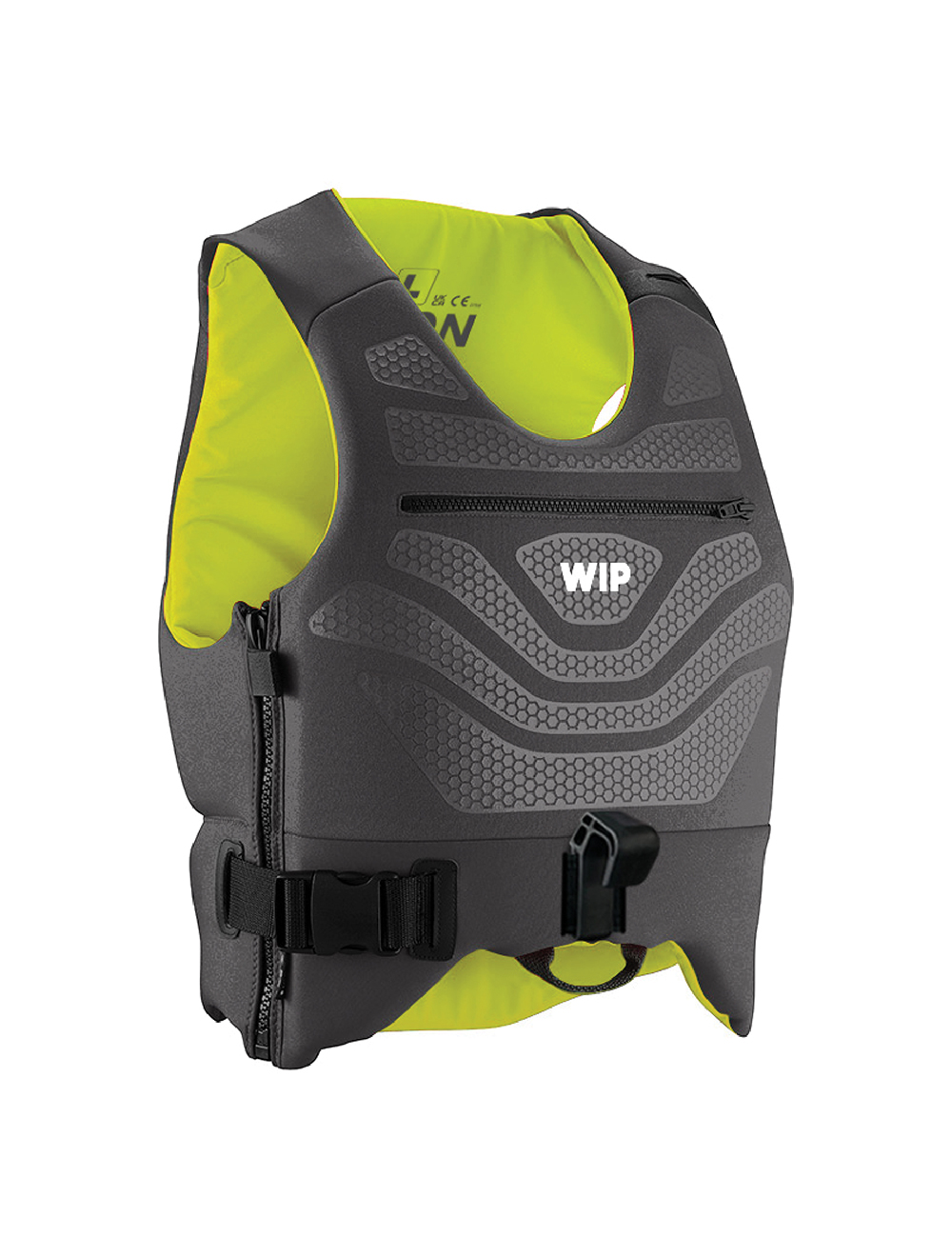
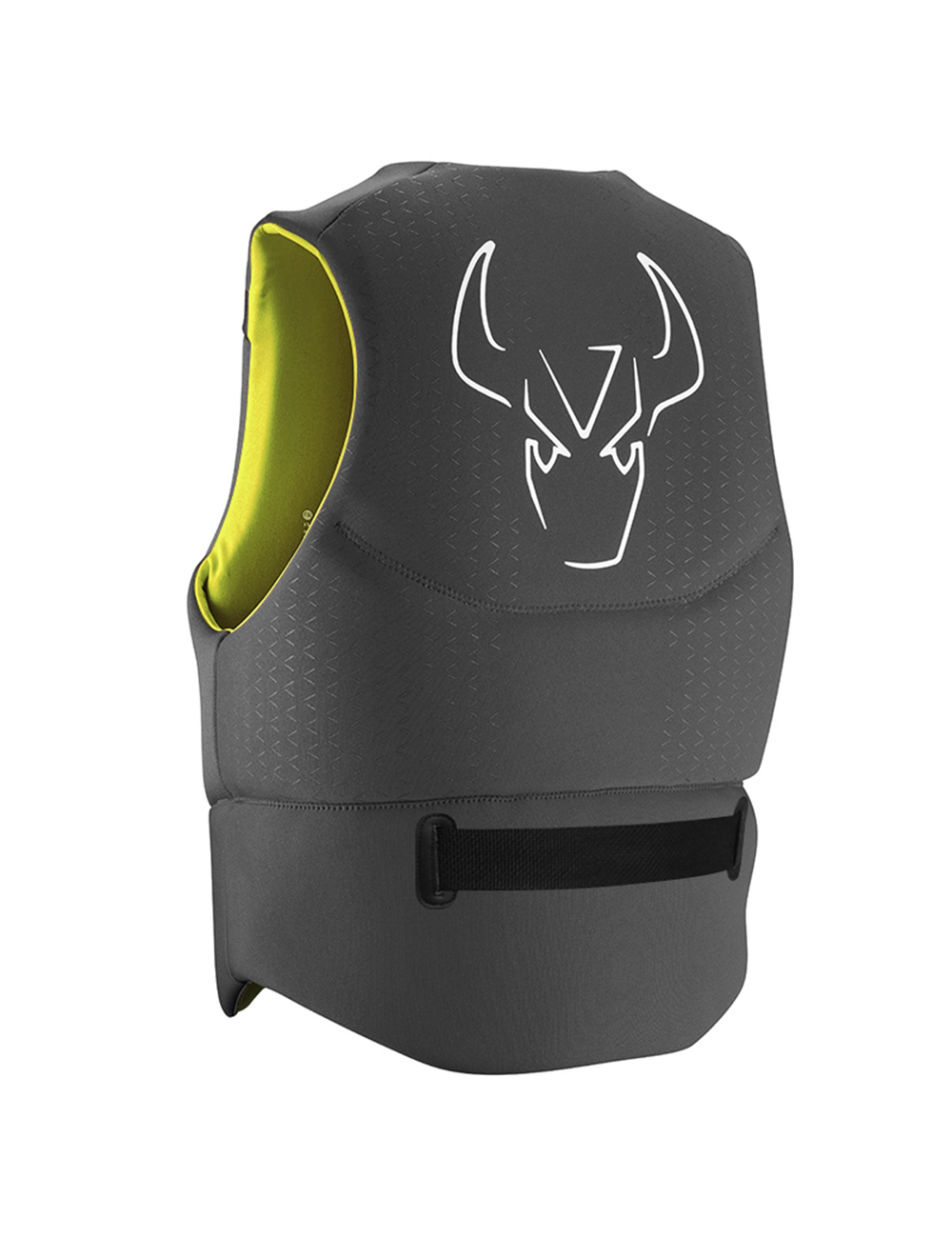
NEW IN THE SHOP

WEATHER DATA FROM CHIMET
TIDE DATA FROM CHICHESTER HARBOUR
Please note the tide times are in GMT – so during British Summer Time you need to add an hour to the published time.
| Time | Height (m) | Time | Height (m) | |
|---|---|---|---|---|
| Sat, 27 | 01:05 | 4.5 | 13:31 | 4.4 |
| Sun, 28 | 01:38 | 4.4 | 14:09 | 4.3 |
| Mon, 29 | 02:15 | 4.3 | 14:56 | 4.2 |
| Tue, 30 | 03:06 | 4.1 | 15:57 | 4.1 |
| Wed, 01 | 04:14 | 3.9 | 17:04 | 4 |
| Thu, 02 | 05:26 | 3.9 | 18:15 | 4 |
| Fri, 03 | 06:40 | 3.9 | 19:31 | 4.2 |
From the blog
19
Apr
Duotone Demo Day // Saturday 18th May 2024
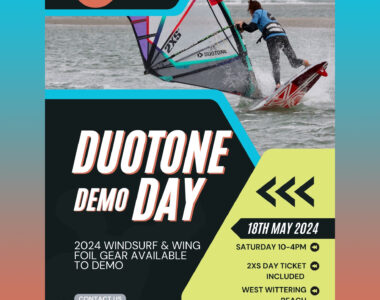
2024 Duotone Windsurfing, Wingfoiling, pumpfoil & downwind gear available to demo The event starts at 10am until 4pm. You will need to pre-register for demo's by completing this booking form - click on link here Tides on the 18th May - High water 08:40 (3.7m) Low water 2:12pm (1.7m) If you want to book ahead [...]0 comments
13
Mar
2024 Duotone Slick Review
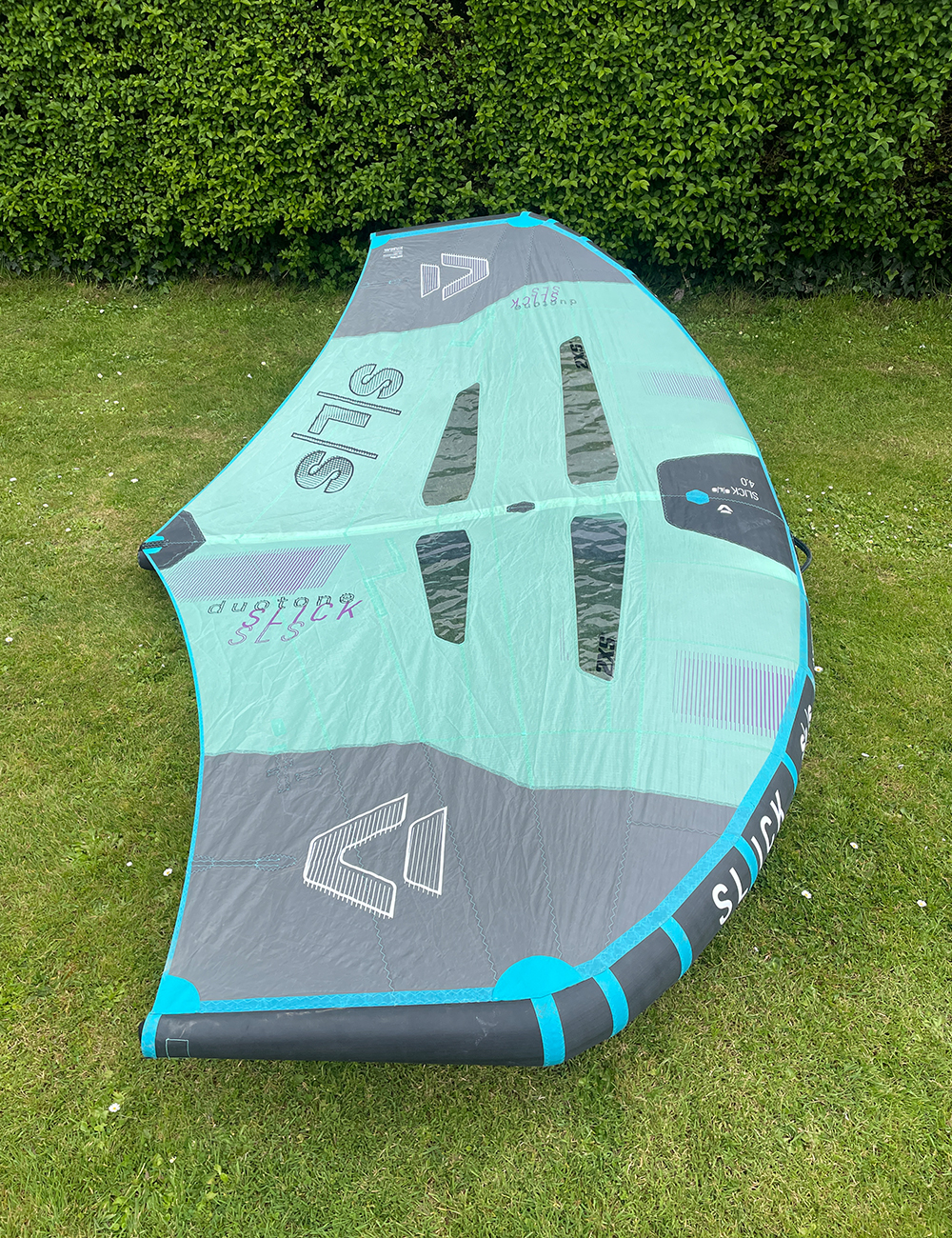
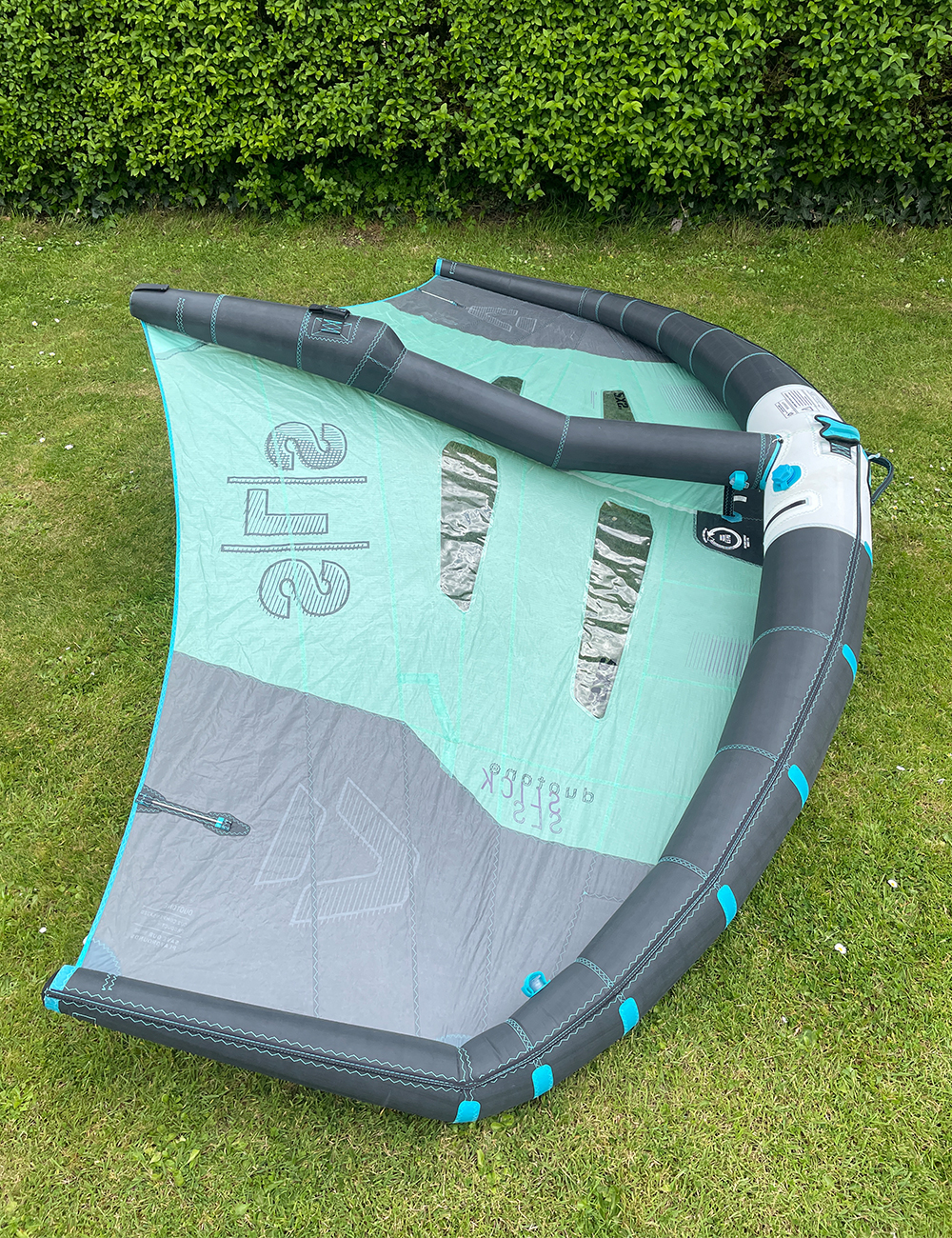
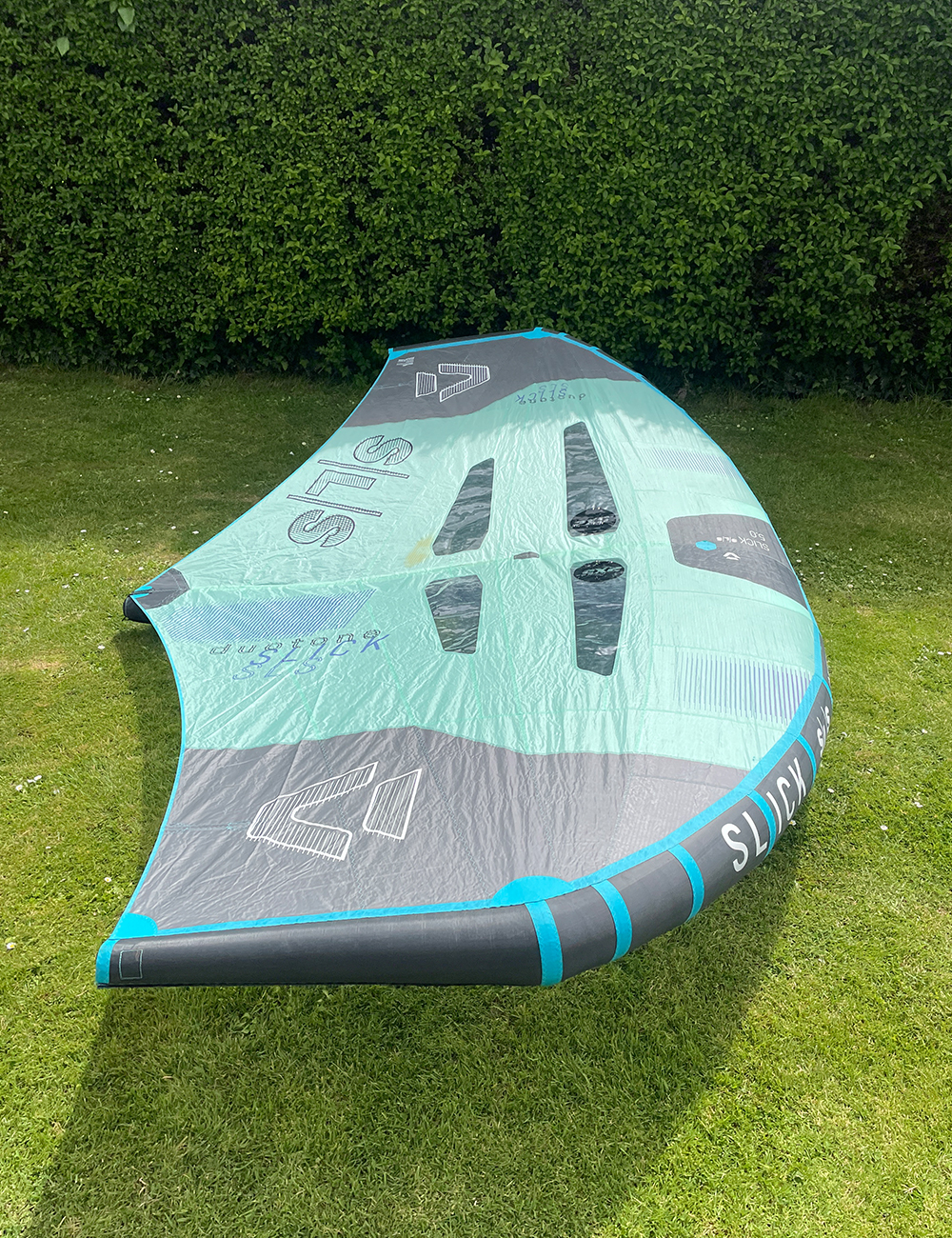
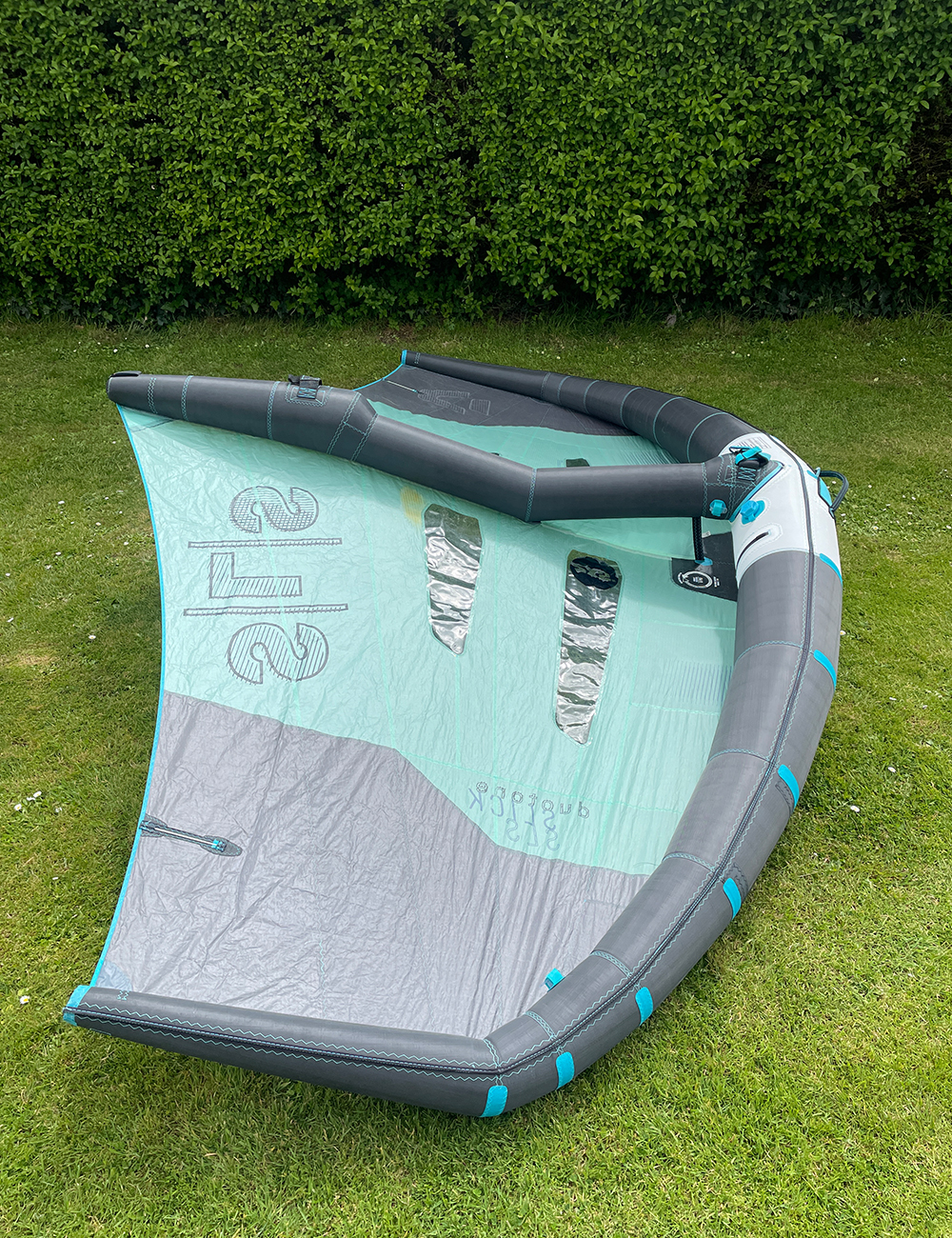
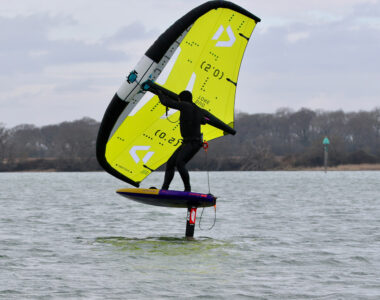
We are massive fans of the Duotone Slick and were very excited to see and use the new 2024 version. At 2XS we have used every version of the Slick since its creation back in 2020 - it’s the original boom type wing – lots of brands have launched their own versions of the boom [...]0 comments
23
Feb
Join The Club
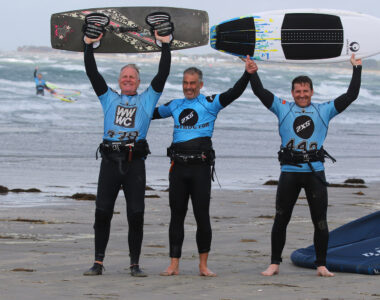
The 2XS windsurfing, kitesurfing, and wingfoiling Club is located on the private Estate and Beach at West Wittering, West Sussex. We have been here since 1991, but there has been a club here since the late 1970s. We are fortunate to have great facilities, including changing rooms, showers, a kitchen area, and a club room, [...]0 comments
03
Nov
Holly Bassett, Team England SUP, 5th Eurosup 2023
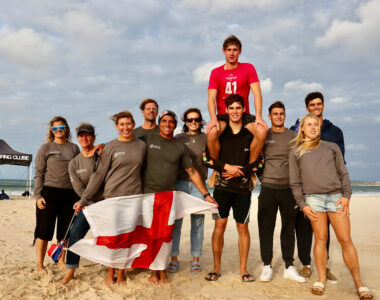
Recently, Jane and I went out to Peniche, to watch Holly compete, where Team England were competing amongst other European nations for the best riders in SUP surfing, Distance, Sprints and Technical SUP racing. Team England who were made up of Holly Bassett, Sarah Perkins, Marcio Dias, William Fairey, Ben Moreham, Hector Jessel, Will Keetley, [...]0 comments
27
Oct
Downwind Foiling
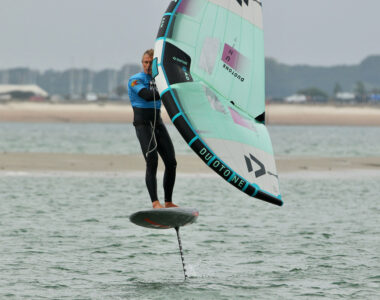
Downwinding and downwind foilboards is the new foiling category worldwide – if you check out social media since the last couple of Molokai Crossing events in Hawaii – downwind SUP foiling has exploded across the globe. The likes of Kai Lenny, James Casey and Dave Kalama are all at it. The new downwind boards have [...]0 comments
09
Oct
Charterhouse School @ 2XS 2023
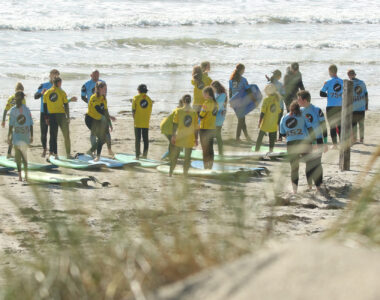
Charterhouse School, Godalming were down for a day of fun packed water time with us mid September - windsurfing, SUP & MegaSUP in the morning and surfing/bodyboarding in the afternoon. Year 9 spent the day on the beach - lunching in the West Wittering Estate Beach Cafe - had a great time out on the [...]0 comments
03
Oct
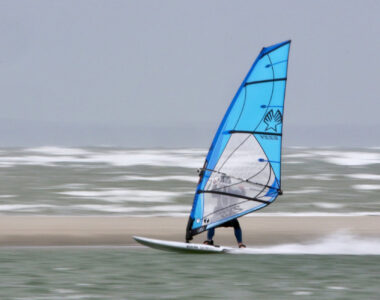
West Wittering Sessions Sept 2023
We have had so many sessions in September its hard to remember them all! The Trench has been absolutely firing with amazing flatwater and good depths for foiling - we also have a new lagoon thats formed directly infront of the 2XS Club which works for just under an hour in neap tides before and [...]0 comments
03
Oct
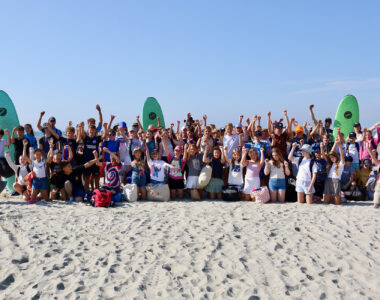
Seaford College West Wittering 2023
Seaford College near Petworth visited 2XS on the 6th & 7th September for their annual watersports trip - every year we are faced with different weather - this year they scored with beautiful sunshine, light winds and perfect weather conditions. The years 7 & 8 had their fill of windsurfing, SUP, MegaSUP, volleyball, Ultimate Frisbee [...]0 comments
